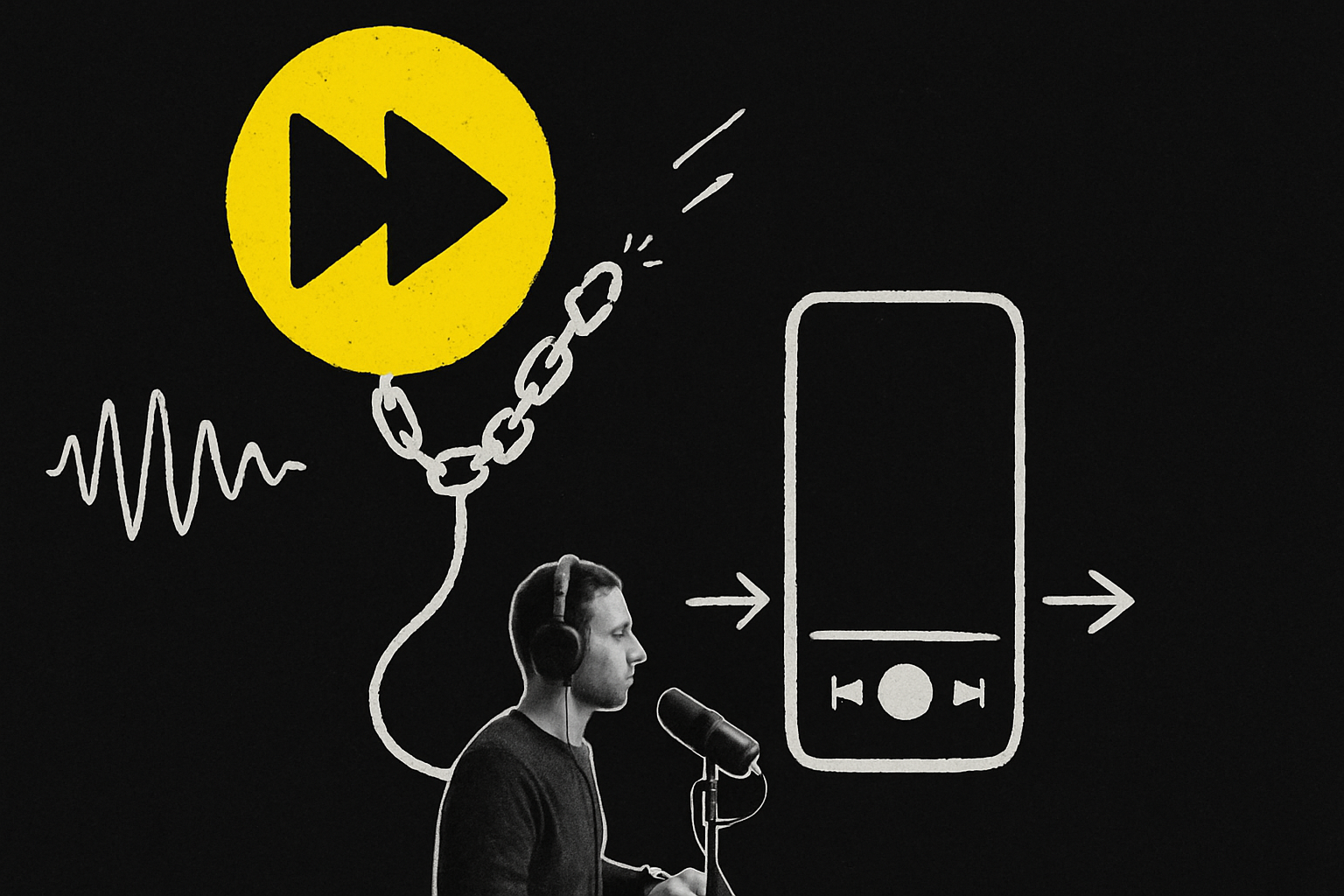
Spotify just gave listeners a button that skips ahead past ads. It is designed to keep people inside the Spotify app rather than dropping off entirely. But according to Hal Rood of Strategic Solutions Research, in a piece from The Podcast Study, the feature is solving the wrong problem. His argument, made to Podnews, is blunt: “Podcasters: your listeners aren’t married to Spotify. They’re married to you. That’s leverage, use it.”
That single sentence matters more to a B2B marketing leader than anything else in the podcast trade press this week.
The platform is optimising for retention it doesn’t actually have
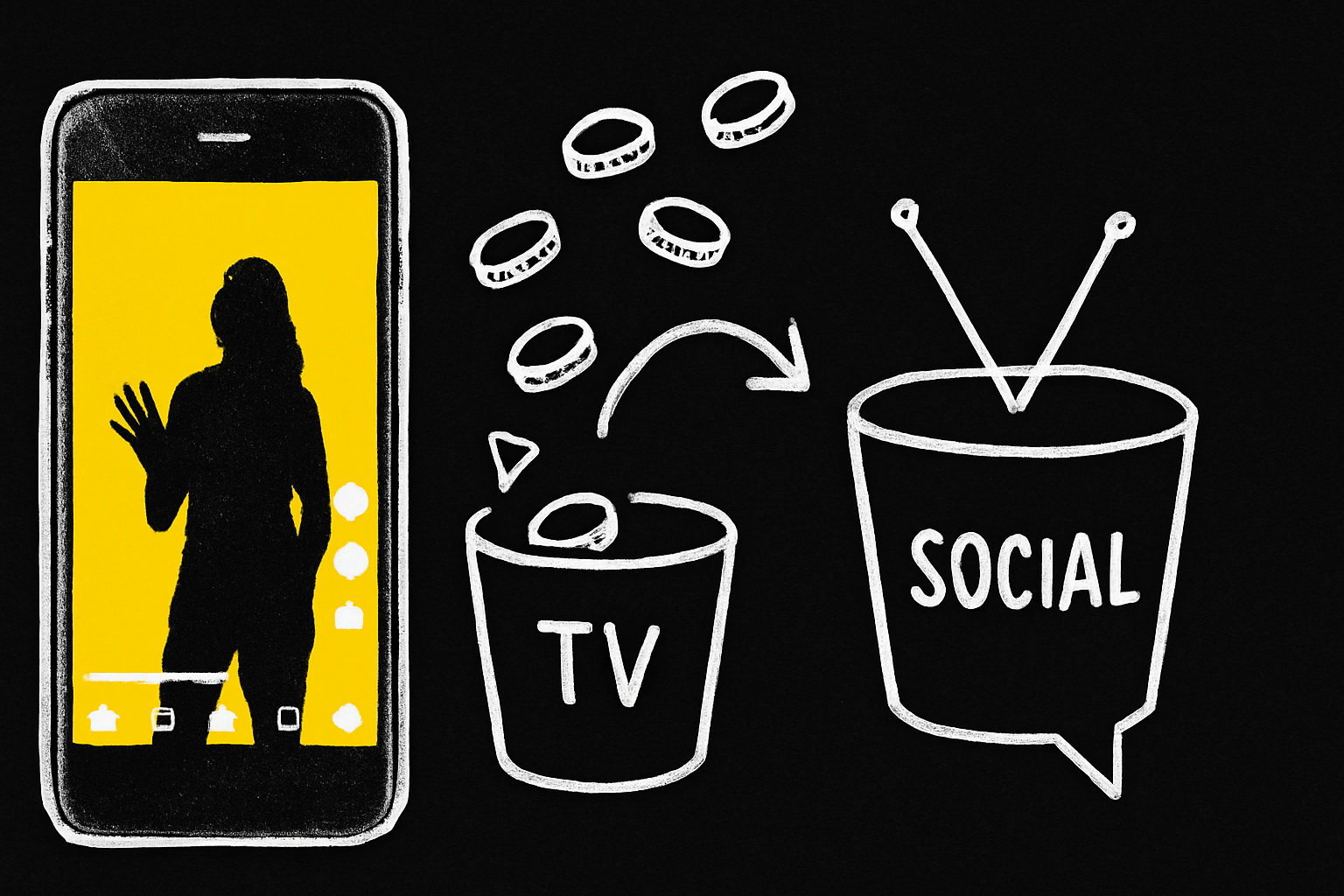
Spotify’s skip-ahead button assumes the thing worth protecting is the listener’s relationship with the app. Rood’s data says otherwise: people subscribe to shows, not platforms. They follow a host, a topic, a voice they trust. If a show moves from Spotify to Apple Podcasts or a private RSS feed, most of its audience moves with it. Spotify knows this too, which is why it keeps building features that make leaving the app feel like more friction than it’s worth.
For a company running a B2B podcast, this is the whole point of the exercise, stated plainly by someone outside the industry’s usual boosterism. You are not building an audience for Spotify. You are building a direct line to buyers, and the platform is just current shows a distribution pipe you don’t own. If your show only exists as a feed pushed through one aggregator, with no owned email list, no LinkedIn following tied to the host, no website capturing listeners as leads, you’ve built the audience on rented land and handed the landlord all the leverage Rood says you actually hold.
Ad-skip tools are a symptom of a bigger ad-tech mess
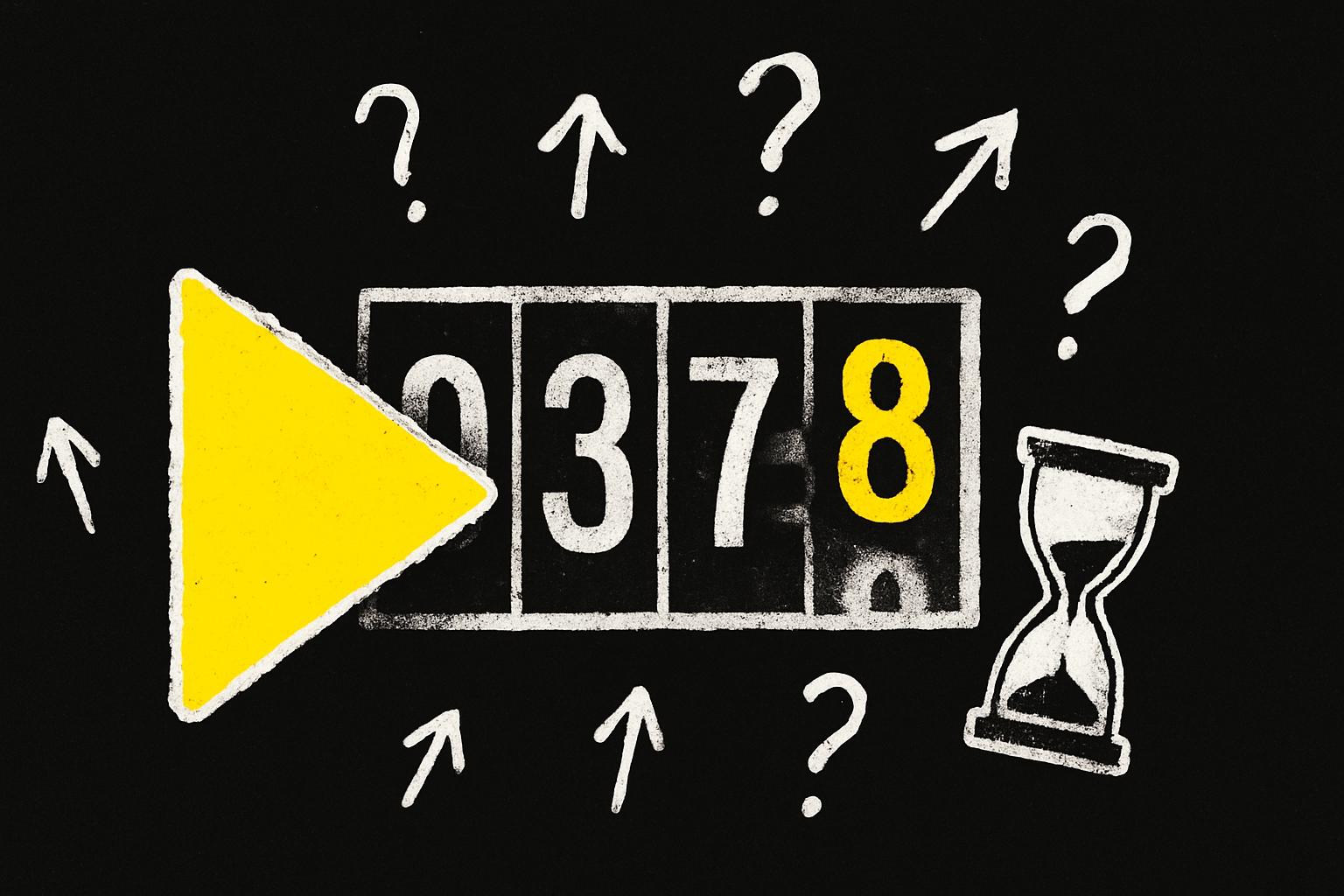
This isn’t an isolated feature. The same week, Flightpath shipped a tool built specifically because ad-tech platforms weren’t honouring publishers’ own commercial decisions, forcing revenue teams to manually re-flight thousands of orders. And Megaphone is reportedly enforcing competitive separation rules unilaterally, putting a publisher’s own advertisers in conflict with network ads sold by Spotify, without the publisher having any say. Add YouTube quietly redefining what counts as a “view” (the old definition is now called an “engaged view”, and Podstock’s analysis of 300,000 episodes found the two numbers differ by 7% on average, more for some shows), and a pattern shows up: the platforms your show depends on for reach are making unilateral decisions about your content, your ads and your metrics, and you find out after the fact.
None of that is a reason to avoid podcasting. It’s a reason to stop treating a platform’s dashboard as your source of truth and stop treating platform reach as the asset you’re building. The asset is the relationship between your host and your buyers. That relationship survives an algorithm change, an ad-tech bug, or a redefined metric. A follower count on one app does not.
What this means for your show’s design, not just its distribution
If listeners are loyal to hosts, then the commercial case for who hosts your show gets stronger, not weaker. A credible internal expert or a senior leader with a recognisable voice in the market builds something a platform can’t quietly reroute or redefine. This is the same discipline we bring at B2B Better, a podcast production agency, when we plan a client’s first season: decide where the audience relationship actually lives (email list, CRM, LinkedIn, owned site) before deciding which platforms to distribute through. Distribution is tactical. Ownership of the relationship is strategic, and it’s the only part of this Rood’s argument says you actually control.
Ireland’s podcast ad market is up 33% year-on-year, according to a new Magellan AI benchmark report, so the format is clearly working commercially. The question for a B2B marketing leader isn’t whether podcasting works. It’s whether you’re capturing the value of that loyalty yourself, or handing it to whichever platform currently hosts your feed.
Audit where your show’s audience relationship actually lives today, not just where it’s distributed, and fix the gap before a platform change does it for you.