
CMOs finally have tools that tell them when ChatGPT, Perplexity or Google’s AI Overviews mention their brand. What they still can’t tell you is whether any of it closes a deal. According to a report from Digiday, now that platforms like Scrunch and Profound have made AI visibility trackable, marketing leaders are hitting the next wall: proving that showing up in an AI answer actually moves revenue.
This is a familiar pattern dressed in new tooling. Marketers spent a decade building dashboards for organic search rank, only to discover that rank alone never explained pipeline. Now the same mistake is being repeated one layer up the funnel, with a search experience that offers even less to click on. If a prospect gets their answer inside ChatGPT and never visits your site, you have no referrer, no session, no form fill and no CRM record to tie back to that moment. You have a mention. You do not have a lead.
The mention is not the moment of influence
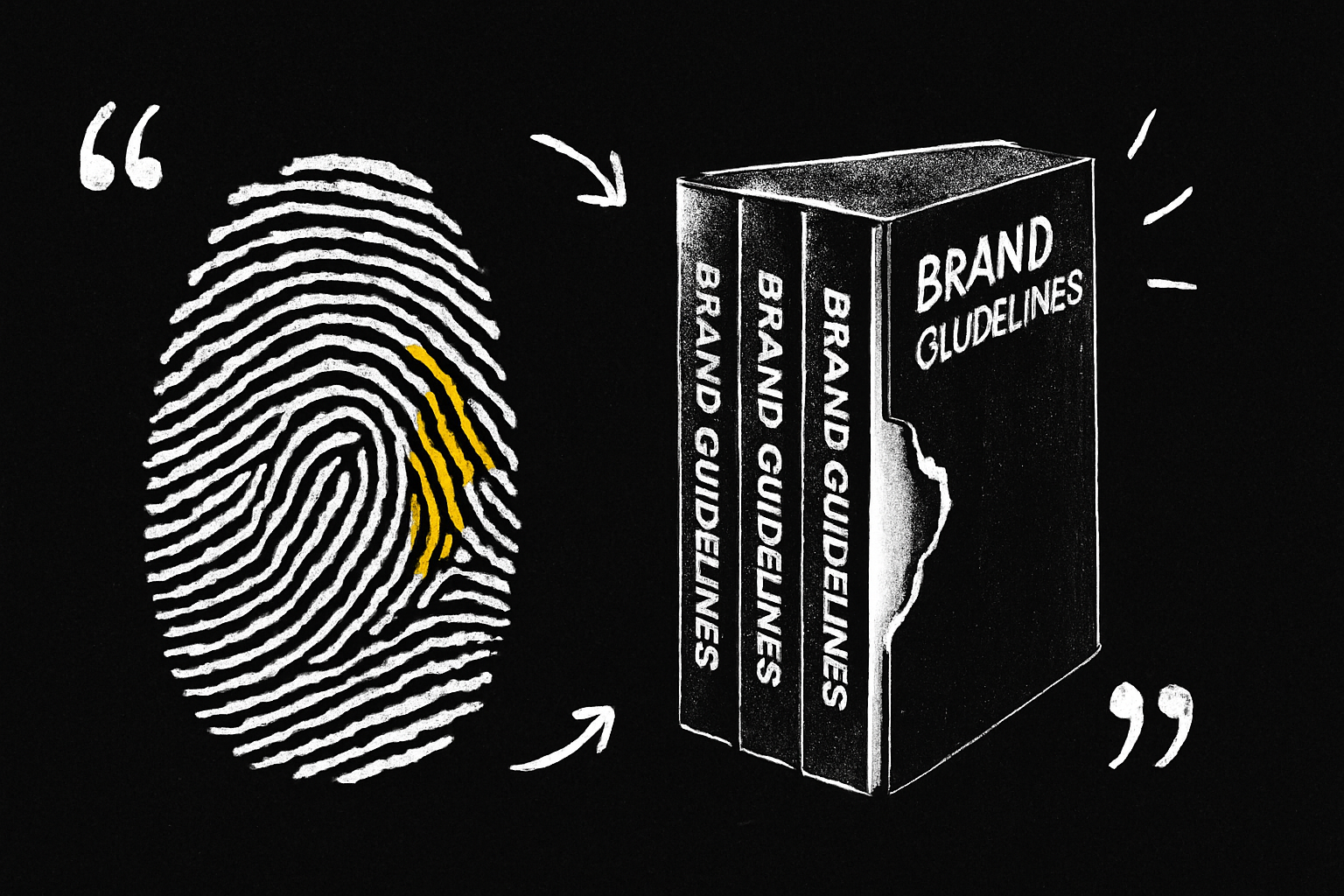
Visibility platforms measure whether your brand gets cited. That’s a real signal, but it’s downstream of the thing that actually matters: why the model chose to cite you in the first place. Large language models pull from content that is specific, well-structured and repeated across multiple credible sources over time. A single blog post optimised for an AI crawler doesn’t build that pattern. A weekly programme where your VP of Product explains, in their own words, how they think about a category problem, does. It gets transcribed, indexed, quoted in show notes, referenced in LinkedIn posts by people who listened, and picked up by newsletters. That repetition across formats is what makes a model treat your point of view as a citable source rather than a one-off page.
The attribution gap CMOs are describing to Digiday isn’t a measurement problem you solve with a better dashboard. It’s a content problem. If your visibility depends on content built for a single algorithm pass, you’ll always be chasing a metric with no causal story attached. If your visibility comes from a body of recorded, repeated, human argument, the AI citation becomes a symptom of something you can already point to: a named executive who has taken a consistent position, in public, for months.
Stop trying to attribute the click that doesn’t exist
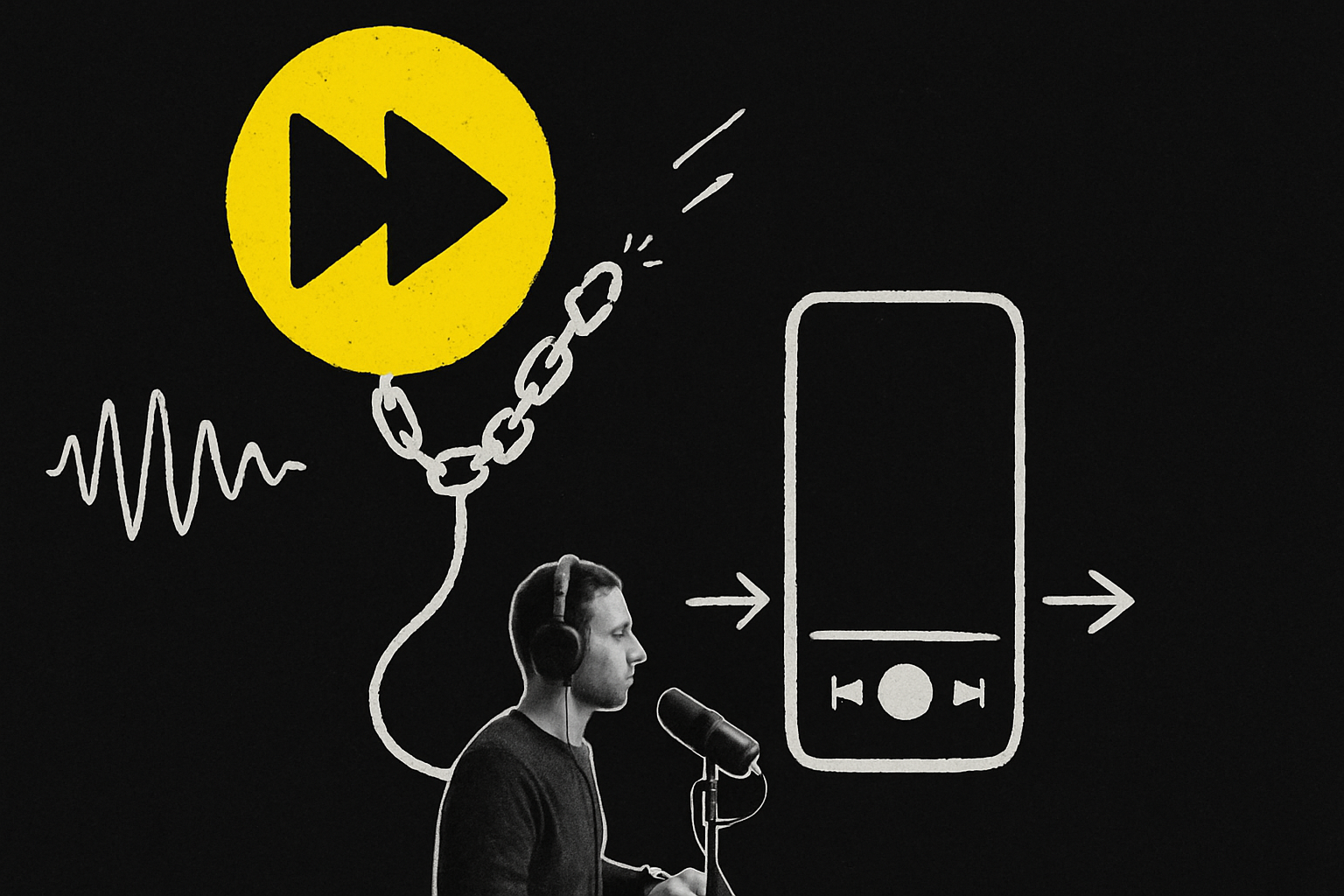
The instinct will be to build more tracking. Resist it. You cannot fully instrument a zero-click interaction and you’ll waste a quarter trying. What you can do is change what happens after someone hears about you, cited or not. Sales teams report that prospects arrive at first calls already familiar with a company’s thinking far more often when that thinking exists as an ongoing podcast than when it exists only as gated PDFs or blog archives. That’s not something you measure with a pixel. It’s something reps notice, deal by deal, when a prospect quotes the CEO’s framework back at them thirty seconds into a discovery call.
This is exactly the discipline we bring at B2B Better, a podcast production agency: build the recorded, repeatable body of executive argument first, and let the AI citations, backlinks and sales conversations follow from it, rather than reverse-engineering content to chase a visibility score. A podcast gives you the raw material that both LLMs and buyers actually respond to, an executive’s real voice, addressing real objections, on a schedule.
Don’t wait for a clean attribution model to arrive. It won’t. Instead, audit whether your current content gives an AI model or a prospect anything specific enough to quote, and if it doesn’t, start recording the conversations that would give it something.