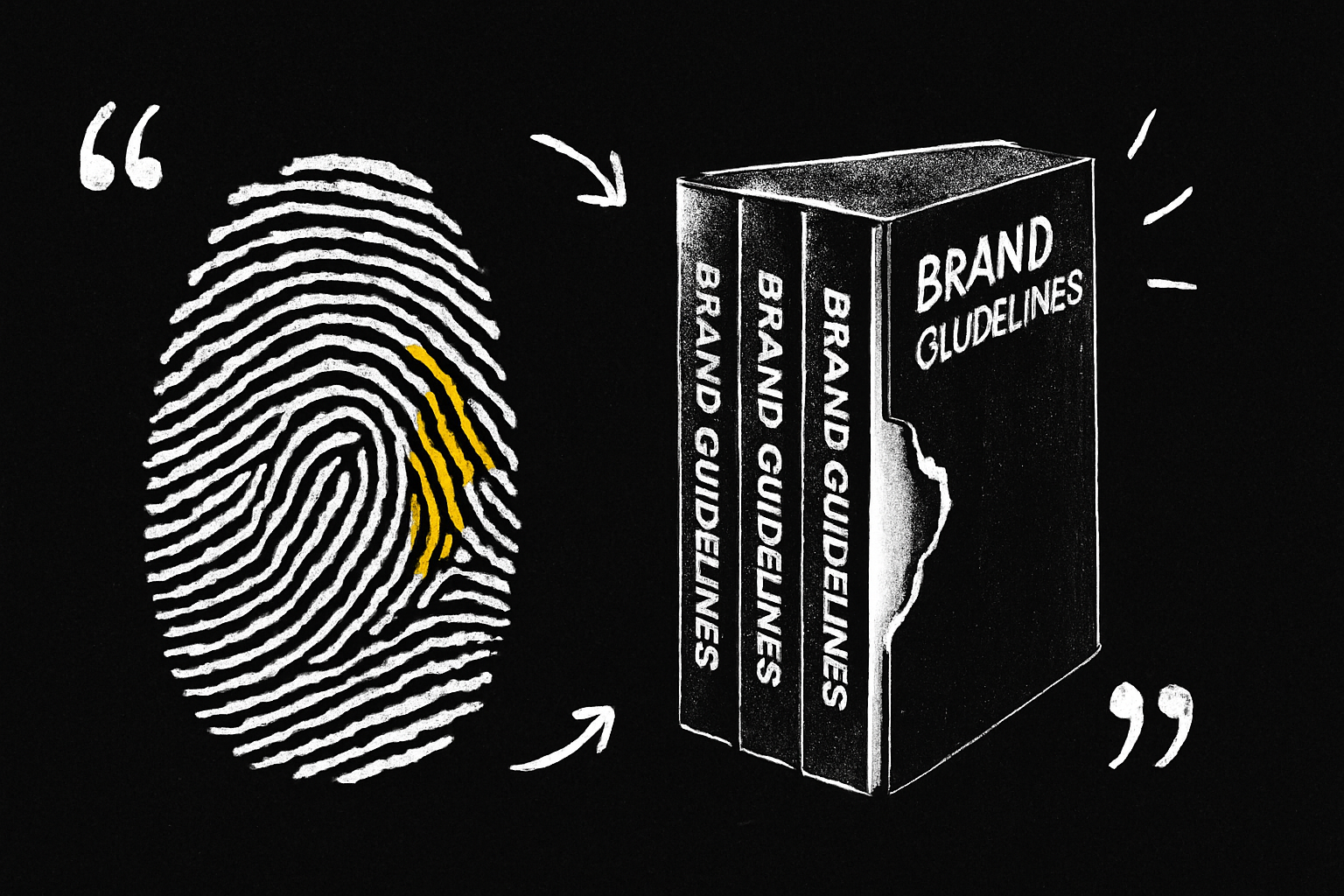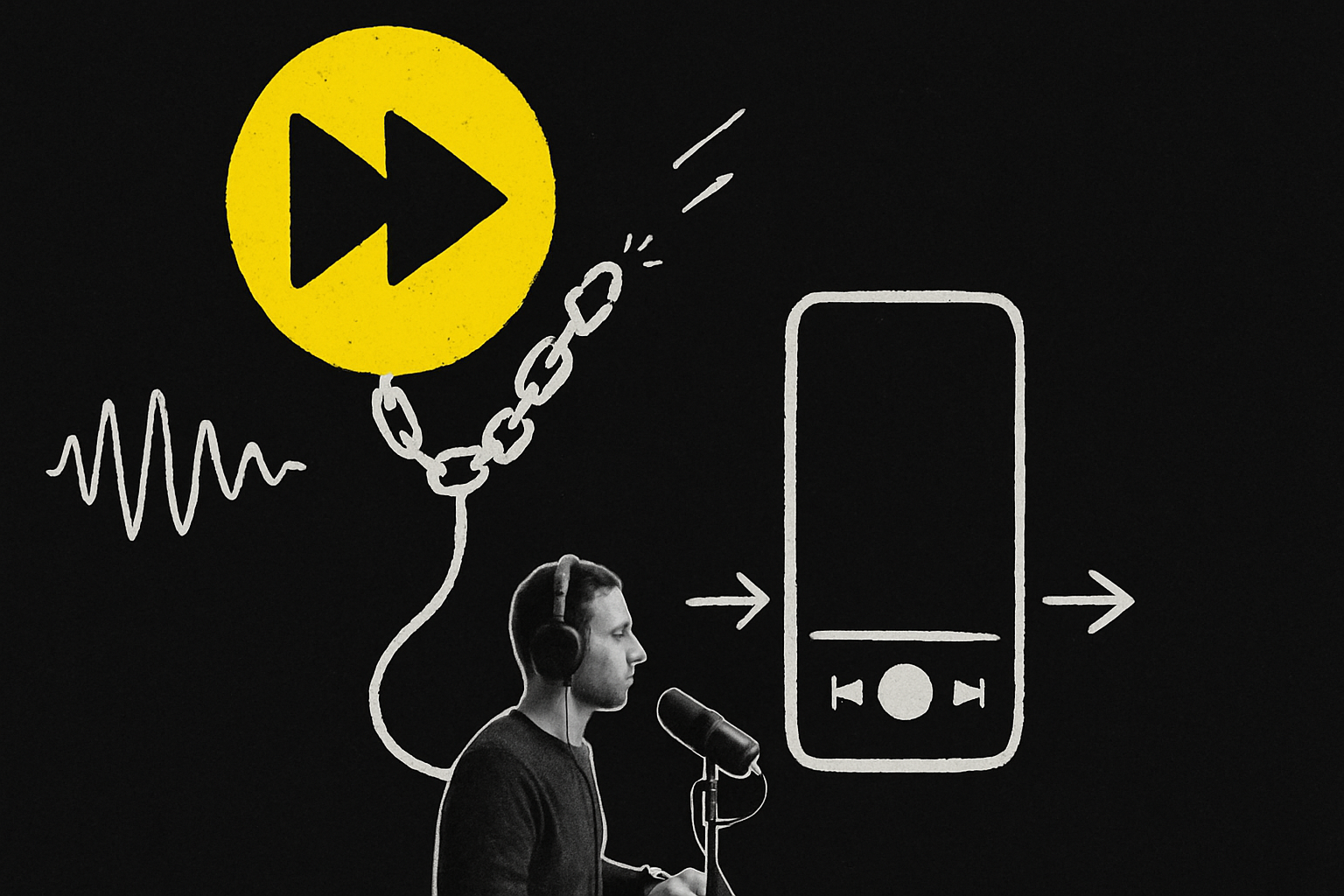

Your biggest competitor has a bigger budget, a larger team, and more brand recognition. If you try to out-spend them across every channel, you lose before the campaign launches. Dan Eisenberg, CMO at Blue Chip, makes this point clearly in his recent conversation with Marketing Dive, using Emerald Nuts as the example: challenger brands win not by swinging more often, but by swinging harder at fewer, better-chosen moments.
That principle is almost universally ignored in B2B marketing. Most senior marketers default to spreading budget thin across paid search, LinkedIn, content syndication, webinars, and events — hoping something converts. The result is moderate visibility everywhere and genuine authority nowhere.
Spreading Thin Costs You More Than Budget
The real cost of the broad-activity model is not the wasted spend. It is the diluted positioning. When you show up in every channel with middling content, you train your buyers to treat you as background noise. By the time a prospect reaches a sales conversation, they have no prior impression of you that your competitor has not also created.
Eisenberg’s point about challenger brands applies directly here: a company that cannot out-spend a market leader must out-resonate them. That requires concentration, not coverage. One channel, executed with enough depth and consistency that buyers start associating your name with a specific point of view, outperforms five channels run at shallow depth.
B2B buyers at enterprise level now conduct most of their research before they ever contact a vendor. If your content is thin and generic across a dozen touchpoints, you are invisible during the period that actually shapes the shortlist.
A Podcast Is a Concentrated Swing, Not a Broadcast Play
This is precisely where a well-structured thought leadership podcast earns its place. Not because audio is trendy, but because it forces the kind of concentration Eisenberg describes.
A weekly episode, consistently published, with a defined editorial point of view, does something paid media cannot: it gives your buyer 30 to 45 minutes of uninterrupted access to how your team thinks. Over six to eight episodes, a prospect who listens regularly has had more meaningful exposure to your perspective than most sales sequences ever achieve. They arrive at the first call having already stress-tested your thinking. Objections are pre-handled. Trust is pre-built.
The mechanism matters here. A podcast does not generate awareness at scale the way a paid campaign might. It generates depth of conviction among a much smaller audience. For a challenger brand selling a complex product into a defined ICP, depth of conviction among 200 highly qualified listeners is worth more than shallow awareness among 20,000 people who will never buy.
This is the opposite of spreading thin. It is the deliberate single swing Eisenberg advocates.
The Mistake Is Treating Thought Leadership as Content Volume
Most B2B companies that try podcasting fail not because audio is the wrong format, but because they approach it as a content volume play. They publish sporadically, invite guests with no connection to their buyer’s actual problems, and measure success in downloads rather than in pipeline influenced.
A challenger brand cannot afford that approach. Every piece of content you produce either sharpens your position or blurs it. A podcast that meanders across topics, or that prioritises famous guests over relevant ones, does the second.
The brands that use podcasting effectively treat each episode as a deliberate editorial choice: one specific problem their buyer faces, one credible perspective on it, one clear point of view from the host. Repeated over time, that builds something no paid campaign can replicate — a reputation for knowing what you are talking about.
If you are a B2B marketing leader evaluating where to concentrate your next budget cycle, start by asking which single channel, if you executed it with genuine depth and consistency for twelve months, would most change how your best prospects perceive you before the first sales conversation. For most challenger brands in complex categories, the answer is not another paid campaign. It is a tighter editorial programme with fewer, harder swings.